2026 In-Depth Analysis: What Is the Metaverse? Tracing the Evolution from Blockchain to AI Agents
What Is the Metaverse
The term “Metaverse” combines “meta”—meaning “beyond” or “transcending” in Western contexts—with “verse,” a poetic shorthand for “universe.” The word first appeared in Neal Stephenson’s 1992 science fiction novel Snow Crash, describing a 3D evolution of the internet where users interact socially and economically as virtual avatars.
Building on early virtual world concepts, the Metaverse began to take shape in popular games. In 2003, the launch of the virtual social platform Second Life allowed users to create characters, trade assets, and host events—an early real-world example of the Metaverse in action. Later, open-world games and platforms like Minecraft, Roblox, Counterstrike, Club Penguin, and Pokémon Go soared in popularity, bringing the Metaverse into the spotlight for an ever-growing gaming audience.
Key Milestones and Core Features
2021 was a pivotal year for the Metaverse.
In October 2021, Mark Zuckerberg announced Facebook’s rebranding to Meta, signaling a “Metaverse First” strategy. This move embodied the tech giant’s ambition to move beyond social media and build the next generation of computing platforms—a moment many consider the dawn of the Metaverse era.
Advances in blockchain technology and the rise of non-fungible tokens (NFTs) further expanded the Metaverse’s possibilities. In blockchain-based games, assets like land and equipment exist as NFTs, granting players true ownership. With NFT marketplaces such as OpenSea and Magic Eden, players can freely trade these assets.
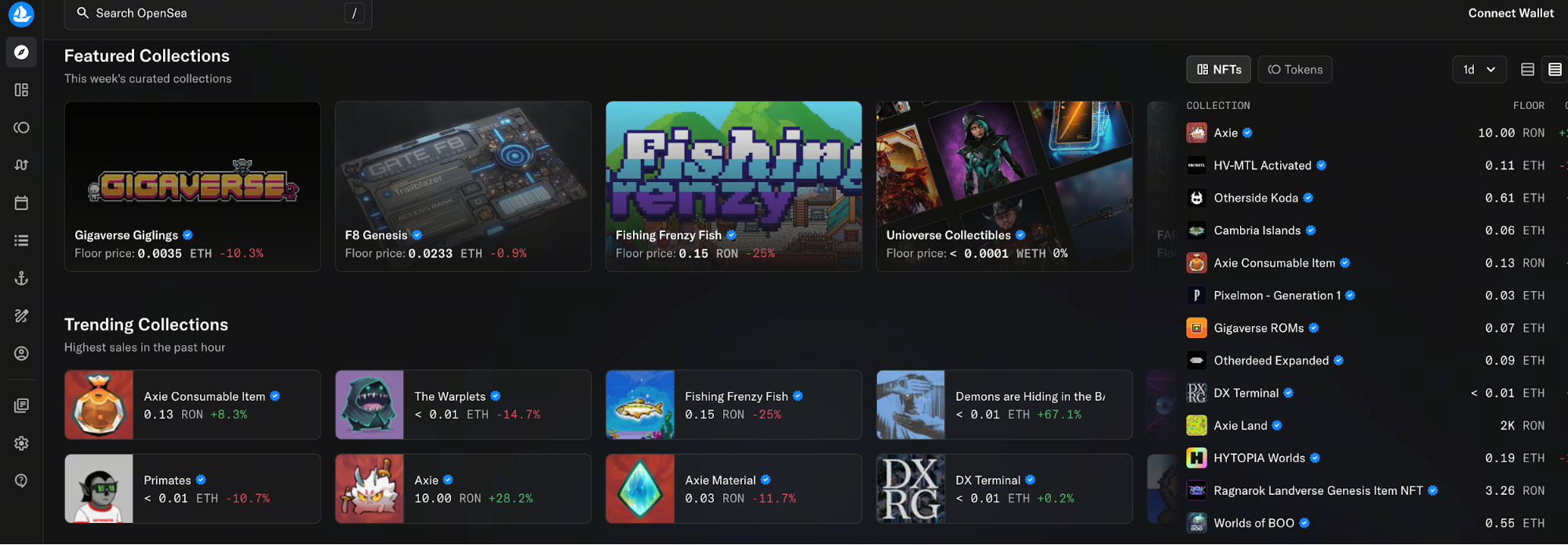
Screenshot source: OpenSea official website
From a user perspective, the Metaverse features four core attributes: immersion—delivering a sense of presence through hardware like virtual reality (VR) and augmented reality (AR); real-time interactivity—enabling users to interact instantly with environments and others; interoperability—ideally allowing assets such as clothing or virtual currency to function across different platforms and worlds; and persistence—the Metaverse continues to exist and operate even when users are offline.
Take Metaverse Real Estate as an example. As a key component of blockchain-powered Metaverse environments, these digital lands or assets resemble real-world properties but exist as NFTs. Players can freely design shops, event venues, or residences on their parcels. Each plot is linked to a unique NFT, ensuring scarcity and verifiable ownership, supporting buying, selling, leasing, or collateralization.
Representative Metaverse Projects
Decentraland
Decentraland was one of the earliest blockchain-based gaming pioneers. Running on Ethereum, this 3D open digital world is accessible to players worldwide. Within Decentraland, users can buy and sell land, explore, interact, and play games in a virtual environment. Players have legitimate, verifiable ownership of in-game items, and all transactions are on-chain and fully traceable.
The Sandbox
The Sandbox is a virtual Metaverse where players can experience, build, and own assets—and earn revenue from them. Before transitioning to blockchain, The Sandbox was a traditional sandbox game. After integrating NFTs and tokens into its 3D multi-platform ecosystem, it quickly became a leading project in the blockchain space. Both creators and players have true ownership of digital assets and can monetize everything they create or earn on the platform.
As blockchain gaming enthusiasm waned, The Sandbox expanded into broader Web3 initiatives and Launchpad projects. In September 2025, the SANDChain Foundation announced the launch of SANDchain, built on the ZKsync blockchain, to provide transparent and programmable infrastructure for the creator economy.
Roblox
Roblox—often called the “first Metaverse stock”—is currently the world’s largest multiplayer online creation platform. According to its Q3 2025 financial report, the platform’s daily active users (DAU) reached 151.5 million.
As a large-scale multiplayer online UGC platform, Roblox enables users to establish digital identities for social interaction. The platform’s currency, Robux, is convertible with real money, pushing the creative freedom of sandbox-style gameplay to its limits.
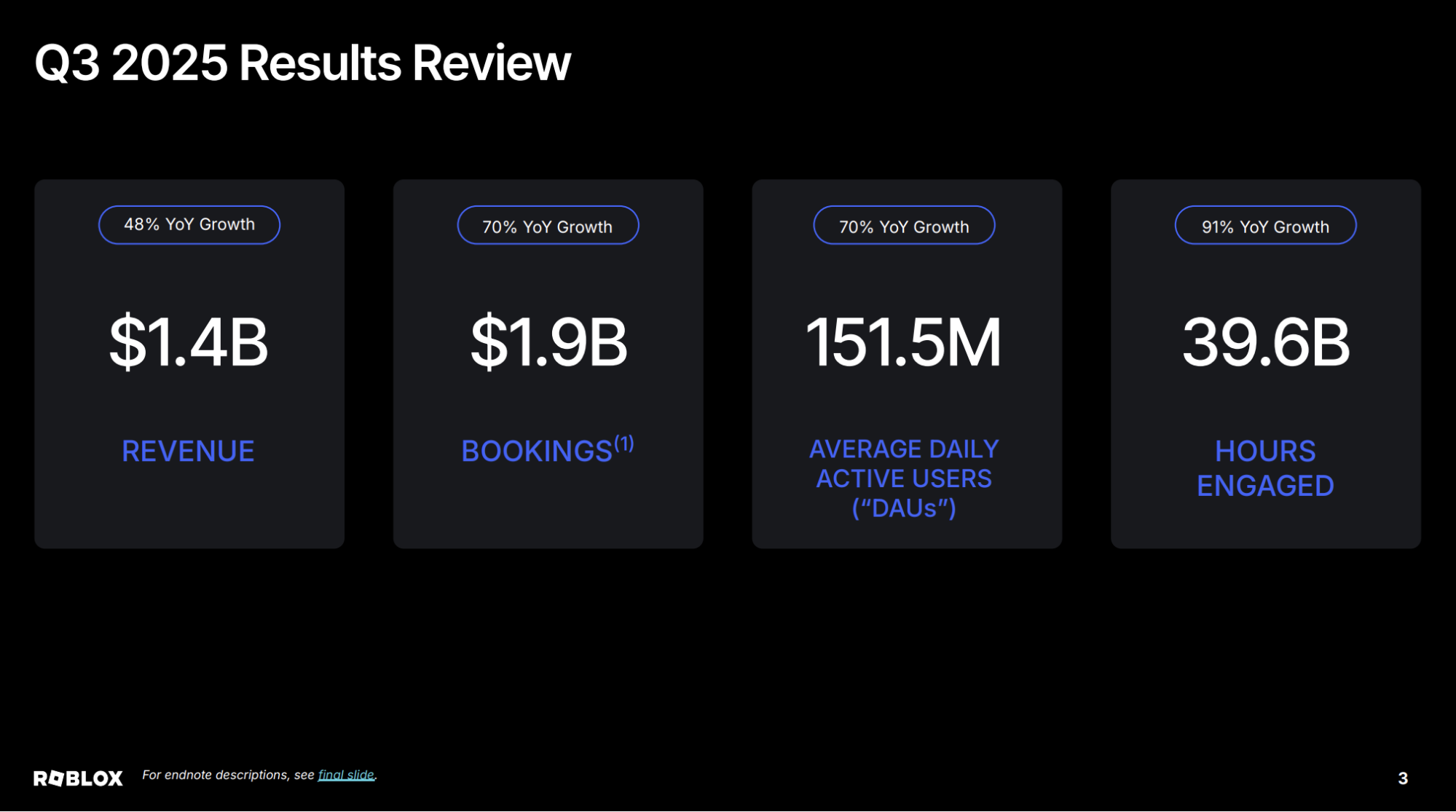
Image source: Roblox official
Looking Ahead: AI Agents Reshaping the Metaverse
While the Metaverse has cooled in popularity—especially after Meta conducted a new round of layoffs in early 2026 within its Reality Labs division (responsible for VR/AR hardware and Metaverse projects)—this marked a major strategic retreat from the Metaverse vision once championed by Mark Zuckerberg.
Meanwhile, a new trend—the “Agent-driven Metaverse”—is rapidly emerging. This concept involves deploying numerous intelligent agents (AI agents) that autonomously perceive, decide, and act within the Metaverse. The virtual world is evolving from “static scenes with scripted NPCs” to a dynamic ecosystem filled with autonomous, intelligent characters. As a result, the Metaverse is no longer just a place to “observe” but an intelligent space for collaboration and living.

From open-source tools to persistent AI-driven environments, we are witnessing the rise of generative AI-powered games. The Metaverse is rapidly evolving in how it is built, experienced, and monetized. The Metaverse has not disappeared—it is being reshaped by the AI era, moving toward a healthier and more sustainable future.
Further Reading
Related Articles
Top 10 NFT Data Platforms Overview

7 Analysis Tools for Understanding NFTs

What is Blum? All You Need to Know About BLUM in 2025

AI-Native Settlement Layers: How United Stables Is Building the Next Financial Rail

The ve(3,3) Flywheel Explained: How AERO Tokenomics Powers Aerodrome’s DeFi Economy
