What Is Ransomware? Understanding Crypto-Powered Digital Extortion
What Is Ransomware?
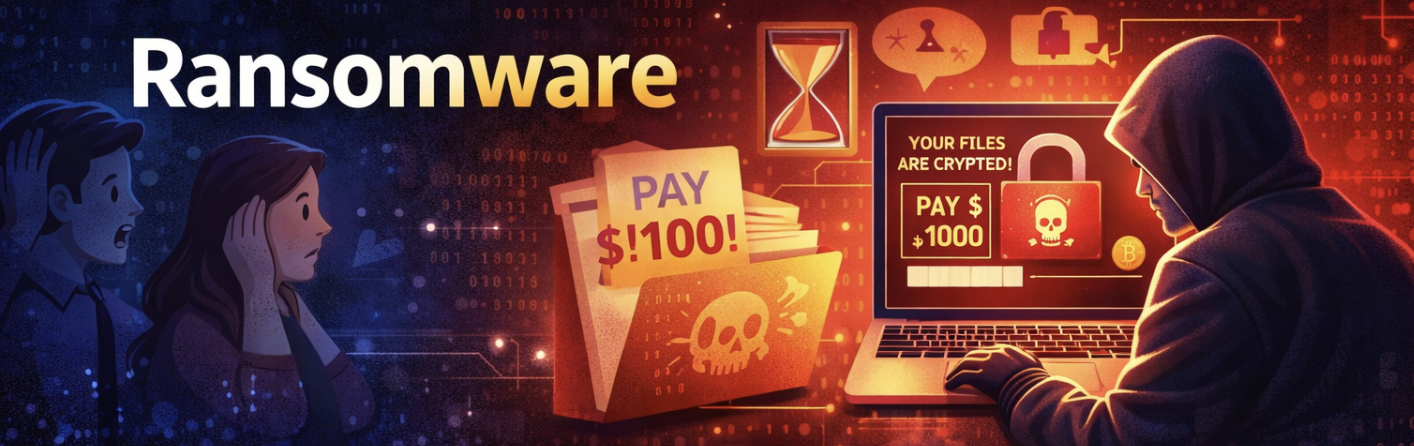
Ransomware is a highly destructive form of malware designed with a single purpose: to force victims to pay a ransom by locking, encrypting, or crippling systems and data, holding access hostage until payment is made. Once a device or an organization’s internal network is compromised, victims are typically presented with a clear ransom demand, including the payment deadline, amount, and method.
In the past decade, ransomware has evolved from basic encryption viruses targeting personal computers into highly organized and commercialized criminal tools, now exhibiting traits of a full-fledged underground industry.
Why Are Ransomware and Cryptocurrency Closely Linked?
Nearly all modern ransomware attacks demand payment in Bitcoin (BTC), Monero (XMR), or other cryptocurrencies. The reasons are straightforward:
- Decentralization: Not reliant on banks, difficult to freeze
- Instant cross-border transactions: Funds can be collected worldwide, no intermediaries needed
- Anonymity or high privacy—especially with Monero
- Irreversible transactions: Payments are nearly impossible to recover once sent
For attackers, cryptocurrencies make extortion safer, more efficient, and much harder for law enforcement to trace. As the Web3 ecosystem grows, ransomware tactics are evolving just as rapidly.
Common Ransomware Attack Methods
1. Phishing Emails
The most common attack vector involves impersonating internal company communications, banking documents, contracts, or invoices to lure users into clicking attachments or links. Once opened, malicious software executes in the background.
2. Vulnerability Exploitation and Remote Access
Unpatched operating systems, outdated servers, or unsecured remote desktops (RDP) are prime entry points for ransomware. Organizations are often discovered through automated scans rather than being specifically targeted.
3. Supply Chain Attacks
Rather than attacking organizations directly, threat actors compromise third-party services, software, or update systems, leveraging trust relationships to spread malware.
What Are the Impacts of Ransomware?
For Individuals
- Encrypted photos, files, and wallet backups
- Locked computers or mobile devices
- Forced to make quick decisions about paying
For Enterprises and Institutions
- Complete shutdown of internal systems
- Risk of customer data leaks
- Reputational and legal consequences
- Potentially massive ransom and recovery costs
Hospitals, airports, government agencies, and financial institutions have all been forced to suspend services due to ransomware attacks. The consequences go beyond financial loss, affecting public safety as well.
New Trends in Modern Ransomware
Double Extortion
Attackers not only encrypt data but also steal it first, threatening to release sensitive information if payment is not made.
Ransomware-as-a-Service (RaaS)
Ransomware tools are offered as a “service” that anyone can pay to use, dramatically lowering the barrier to entry and fueling the underground economy.
Targeting Web3 and the Crypto Industry
- Wallet management devices
- Node servers
- Private key backup systems
For on-chain assets, a successful ransomware attack can mean permanent asset loss.
Should You Pay the Ransom?
There is no one-size-fits-all answer.
- Payment does not guarantee decryption
- You may become a repeat target
- It perpetuates the criminal ecosystem
Most cybersecurity experts and government agencies advise against paying. Instead, focus on prevention, backups, and incident response. For enterprises, building robust cybersecurity and backup strategies is far more critical than negotiating after an attack.
How to Reduce the Risk of Ransomware Attacks
- Regularly update systems and software
- Implement multi-layered backups (offline backups are especially important)
- Enhance employee cybersecurity awareness
- Restrict administrative privileges
- Physically isolate crypto wallets and private keys
In the Web3 era, self-custody brings both freedom and responsibility.
To learn more about Web3, click to register: https://www.gate.com/
Summary
Ransomware is not just a plot from hacker movies—it’s a real threat lurking behind every connected device. While cryptocurrencies have enabled seamless value transfer, they have also been exploited by bad actors, highlighting the double-edged sword of technological progress.
Related Articles

AI-Native Settlement Layers: How United Stables Is Building the Next Financial Rail

The ve(3,3) Flywheel Explained: How AERO Tokenomics Powers Aerodrome’s DeFi Economy

How Does PAXG Work? In-Depth Overview of the Physical Gold Tokenization Mechanism

Aerodrome Tokenomics: How ve(3,3) Powers Base's Most Profitable DEX

How is the price of PAXG determined? Pegging mechanism, trading depth, and influencing factors
