Top 7 Crypto Marketing Strategies in 2026
Crypto marketing in 2026 is driven by conversion efficiency. Teams that perform well design systems where content, creators, and credibility consistently lead to onchain behavior. Marketing compounds when belief turns into action repeatedly and predictably. It decays when attention exists without follow-through.
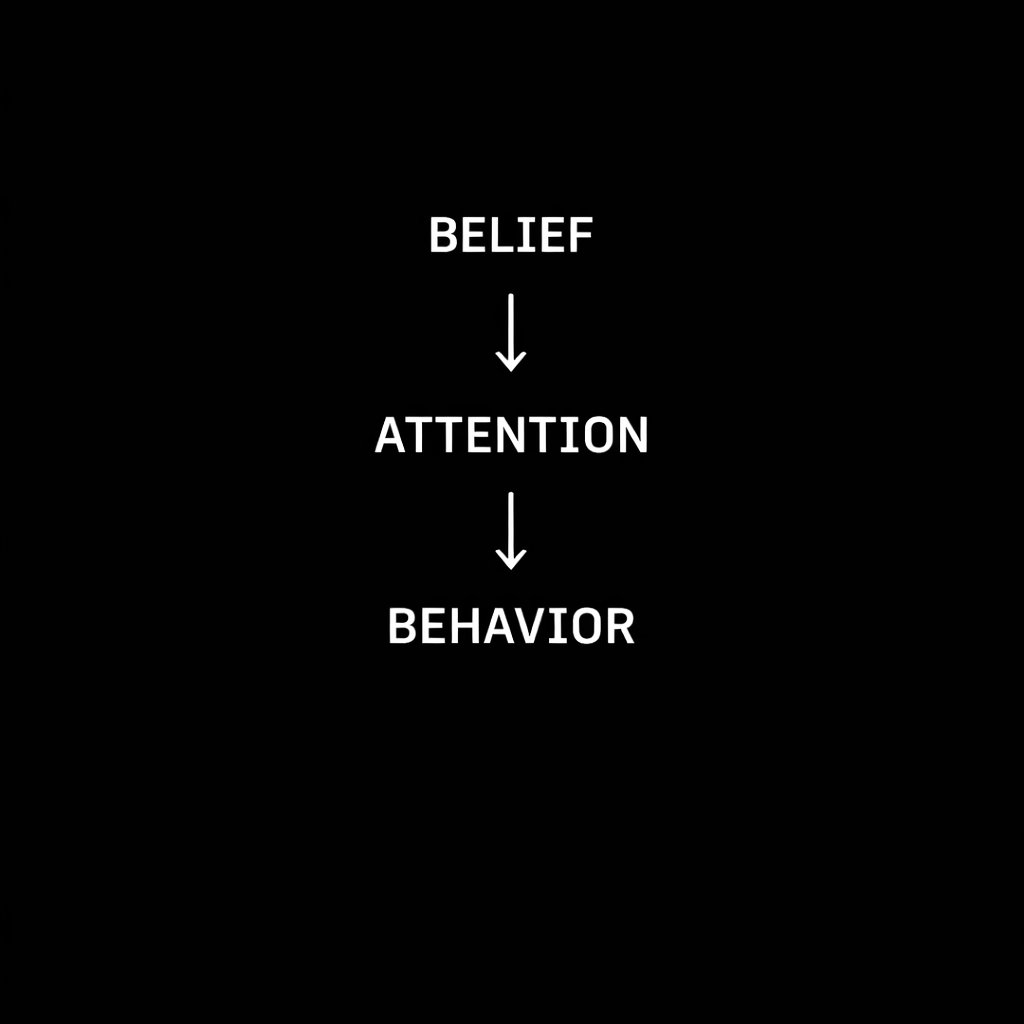
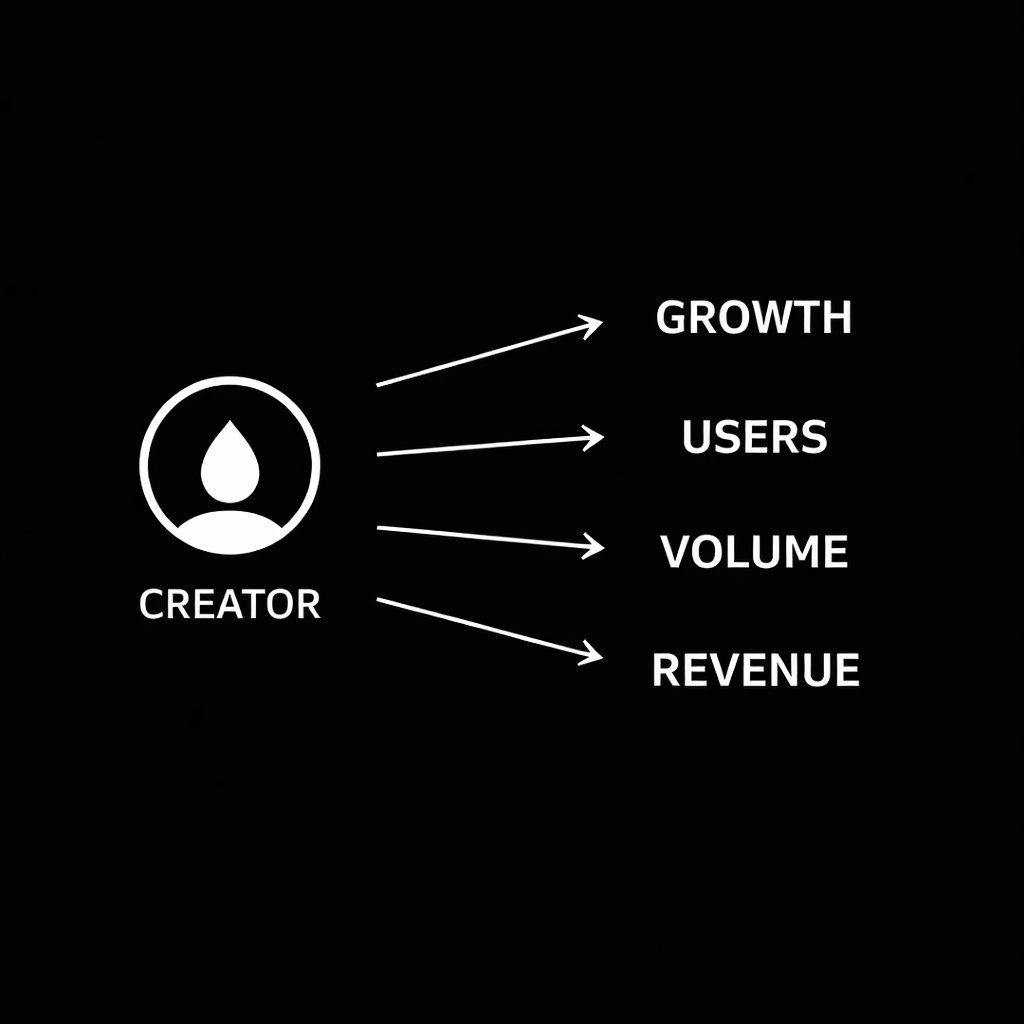
At @ apcollective, we treat marketing as a measurable system. Our work is built around tracking how content, creators, and campaigns convert belief into flows such as users, liquidity, volume, and retained participation. The edge in 2026 is knowing which narratives and channels actually move behavior onchain.
1. Quality Content
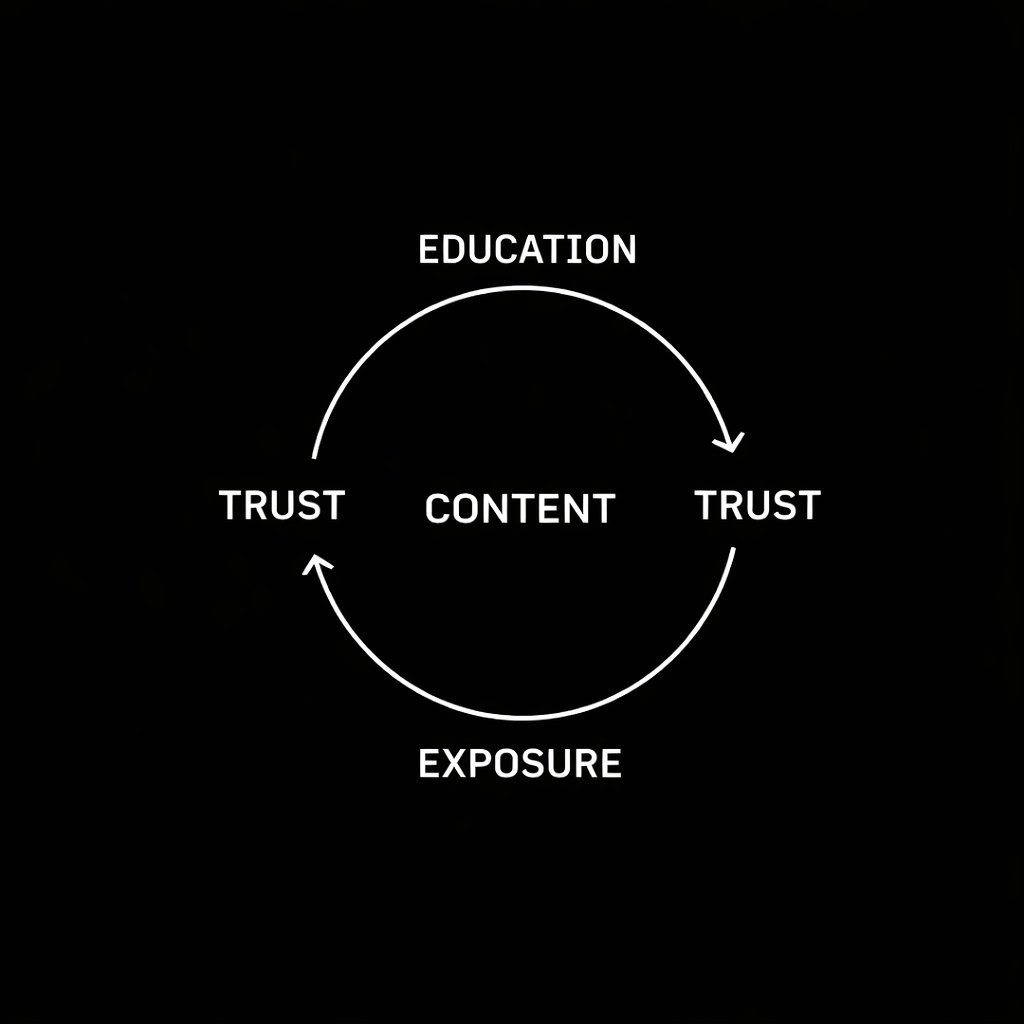
Content marketing is the most important and underrated aspect in crypto marketing today. Long-form explanations, market context, and operator-level commentary shape how users understand a product before they ever touch it.
High-performing teams treat content as infrastructure. It is persistent, cumulative, and explanatory rather than promotional. Over time, this creates familiarity and trust that compounds across cycles.
Examples
Both Moonpay and Phantom rely heavily on ongoing market commentary and video content. Usage grows because users repeatedly encounter clear explanations of how markets work and why they matter.
2. People trust people
In practice, crypto distribution moves through individuals with credibility rather than institutional accounts. Founders, traders, analysts, and builders function as the primary trust layer. Brand accounts exist to support, amplify, and archive, not to lead.
Teams that understand this design distribution intentionally around a small number of personal accounts and involve them early in shaping narrative and timing.
Examples
Both Kalshi and Polymarket see a large share of adoption driven by individual operators explaining markets from their own accounts, rather than brand-led campaigns.

3. Targeting the right audience
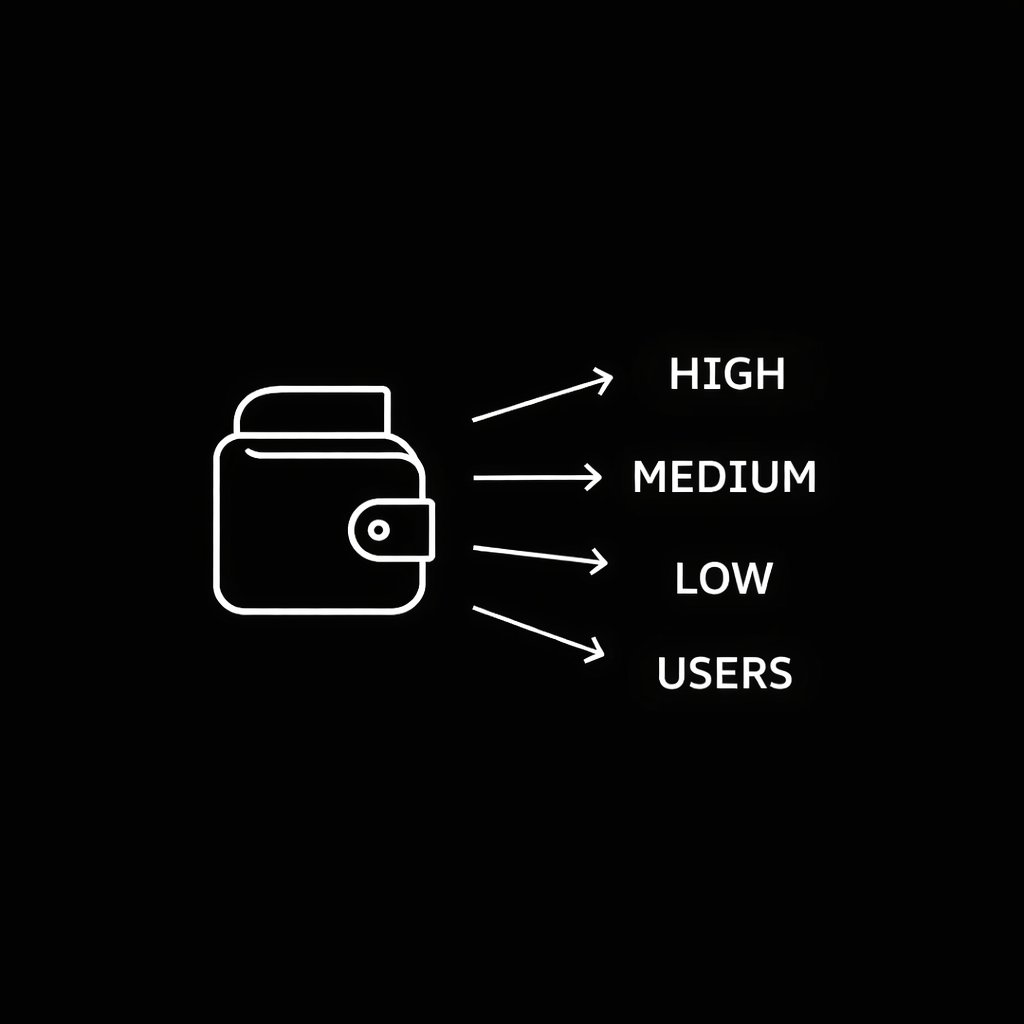
Once belief and distribution are established, conversion depends on relevance. In 2026, relevance is derived from observable onchain behavior. Wallet activity provides direct signals of intent, sophistication, and readiness to act.
Marketing systems segment users based on what they do and tailor messaging and prompts accordingly. This reduces waste and increases depth of usage.
Example
Jupiter consistently frames messaging around active trader behavior. Users encounter different narratives and tools based on how they interact with the product, which drives higher conversion and retention.
4. Narrative Stickiness
Strong teams choose one narrative and enforce it across product, content, and partnerships. This narrative reflects what the product actually does and why it matters now. Secondary stories are intentionally deprioritized.
This approach shortens the time it takes for new users to understand the product and builds durable positioning.
Example
Polymarket maintains a consistent narrative around real-world information expressed through markets. Product design and content reinforce the same mental model, which keeps positioning clear as the platform scales.
5. Cult-like Communities
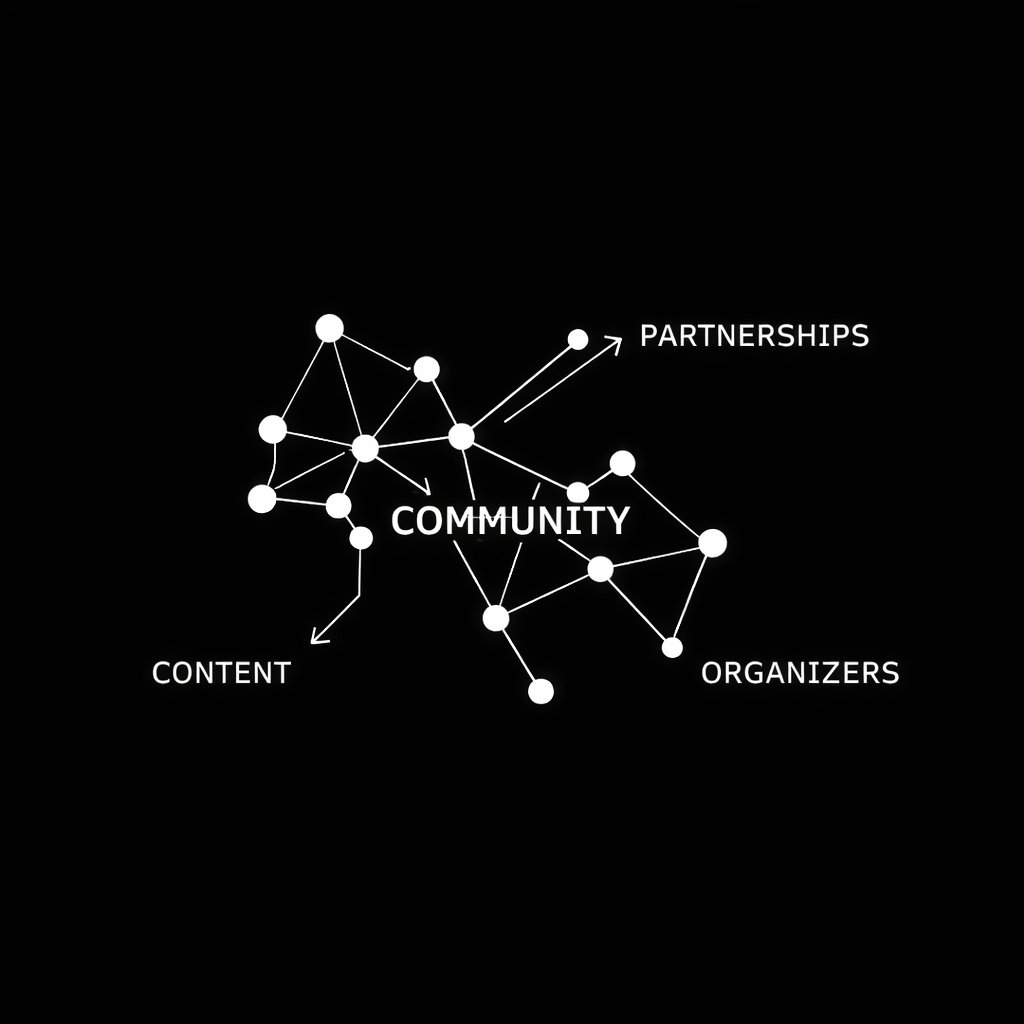
Effective communities are structured around output. Members contribute through content, moderation, localization, partnerships, and local activations. Participation is measured by execution rather than activity levels.
This allows teams to scale presence without scaling headcount.
Example
The Solana ecosystem benefits from independent builders and regional operators who extend distribution and usage autonomously while reinforcing a shared narrative.
6. Longterm aligned creators
Creators are aligned through retainers, performance-based upside, or economic exposure tied to usage and volume. This structure produces higher-quality content and sustained advocacy, especially during non-speculative periods.
Example
Polymarket benefits from creators who consistently explain markets over time because their incentives align with platform usage rather than short-term engagement.
7. MarketingFi
The dominant model in 2026 is going to be MarketingFi. Information, content, and distribution are evaluated based on their ability to drive measurable outcomes. Marketing decisions are made using the same dashboards as product and growth.
This convergence removes guesswork and forces accountability.
Examples
Polymarket converts information directly into volume, while Kalshi converts analysis and interpretation into participation. In both cases, belief flows directly into economic activity.
Closing view
Crypto marketing in 2026 rewards teams that understand belief as a system, not a campaign. Content builds belief. People distribute belief. Data converts belief into action.
Disclaimer:
- This article is reprinted from [0xAbhiP]. All copyrights belong to the original author [0xAbhiP]. If there are objections to this reprint, please contact the Gate Learn team, and they will handle it promptly.
- Liability Disclaimer: The views and opinions expressed in this article are solely those of the author and do not constitute any investment advice.
- Translations of the article into other languages are done by the Gate Learn team. Unless mentioned, copying, distributing, or plagiarizing the translated articles is prohibited.
Related Articles

The Future of Cross-Chain Bridges: Full-Chain Interoperability Becomes Inevitable, Liquidity Bridges Will Decline

Solana Need L2s And Appchains?

Sui: How are users leveraging its speed, security, & scalability?

Navigating the Zero Knowledge Landscape

What is Tronscan and How Can You Use it in 2025?
