GAS Token Surges 500%: Uncovering the Emerging Meta Trends in the Crypto Market
1. Overview of the GAS Token Surge
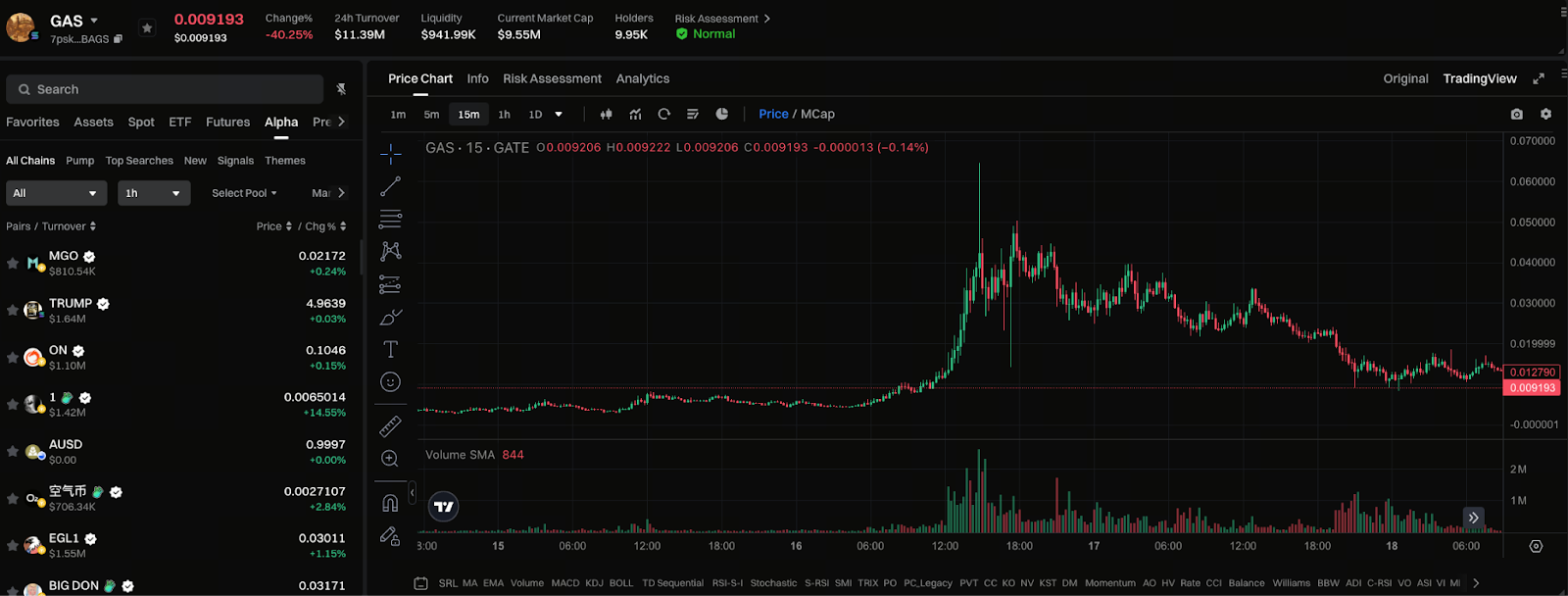
Image: https://www.gate.com/alpha/sol-7pskt3A1Zsjhngazam7vHWjWHnfgiRump916Xj7ABAGS
The crypto asset market recently experienced significant volatility. GAS Token, launched by the Gas Town community, soared over 500% in a short timeframe, reaching an all-time high and ranking among the day’s top gainers in the crypto sector. This dramatic rally sparked widespread discussion, fueling speculative interest and prompting industry-wide debate on tokenomics and emerging community models.
2. What Is GAS? Project Origins and Ecosystem Positioning
GAS Token is not a native token of a traditional core public chain. Instead, it is a crypto asset derived from the Gas Town project. Gas Town is an open-source, multi-agent AI framework created by veteran engineer Steve Yegge. It’s described as an “industrial-grade AI factory” that orchestrates collaboration among multiple AI agents. The framework launched in early 2026 and did not issue an official token. However, community members released GAS Token on the Solana/BAGS platform to incentivize the ecosystem and raise community funds.
This approach combines technology-driven innovation, community empowerment, and tokenized incentives. The project aims to attract contributors through an open-source AI platform while leveraging token issuance to raise operational capital, fundamentally distinguishing it from traditional DeFi or Layer 1 infrastructure projects.
3. Key Drivers Behind the Surge
The explosive rise of GAS Token was not coincidental. Several core factors drove this momentum:
- Open-source AI and technology narrative: Gas Town’s framework for parallel AI agent orchestration aligns with the current intersection of AI and Web3 narratives, capturing the attention of developers and key opinion leaders.
- Community-driven fundraising paradigm: Unlike traditional private or angel investment rounds, GAS Token represents a more decentralized and open community crowdfunding model. Early participants support ongoing project development through trading fees and other mechanisms.
- Social media and market sentiment: Discussions on platforms like Crypto Twitter and Reddit surged, with FOMO (fear of missing out) driving rapid inflows of short-term capital and accelerating price increases.
Together, these factors propelled GAS Token into the spotlight as a short-term market sensation.
4. New Trends Reflected in the GAS Rally
From a broader perspective, this surge highlights several emerging trends:
- Deepening integration of the creator economy and crypto: Unlike earlier projects focused on infrastructure or DeFi, trends like GAS emphasize supporting open-source technology and creator communities through tokenization. This shift signals the crypto market’s evolution from pure trading tools to platforms for technological and ecosystem empowerment.
- Competition between decentralized projects and traditional VC models: Community-driven token issuance reduces the influence of traditional venture capital and centralized funding, enabling developers to access capital more directly.
- Market enthusiasm for AI and Web3 convergence: The intersection of AI and blockchain has become a new hotbed for investment, rapidly attracting attention.
In essence, the rise of GAS Token is more than a price event—it’s a reflection of shifting market preferences and ecosystem evolution.
5. Risks and Outlook
Despite the impressive rally, investors should remain vigilant about the risks:
- High volatility: New tokens like this typically have small market caps and limited trading depth, making them highly susceptible to sharp price swings.
- Project execution and governance challenges: If the core technology fails to achieve commercial adoption or if governance disputes arise, the token’s value could quickly decline.
- Regulatory and compliance risks: As global scrutiny of token issuance intensifies, community-launched tokens may face compliance challenges.
Participants should carefully assess their risk tolerance and avoid blindly following market trends.
6. Summary and Insights
The 500% surge in GAS Token is the product of the combined resonance of technical consensus, community-driven economics, and social amplification in the crypto market. It demonstrates the market’s appetite for innovative narratives and suggests that more tokens combining open-source ecosystems, AI, and Web3 may emerge in the future.
For investors, this event offers both opportunity and caution: while embracing new trends, it’s essential to prioritize risk management and long-term value assessment.
Related Articles

AI-Native Settlement Layers: How United Stables Is Building the Next Financial Rail

The ve(3,3) Flywheel Explained: How AERO Tokenomics Powers Aerodrome’s DeFi Economy

How Does PAXG Work? In-Depth Overview of the Physical Gold Tokenization Mechanism

Aerodrome Tokenomics: How ve(3,3) Powers Base's Most Profitable DEX

How is the price of PAXG determined? Pegging mechanism, trading depth, and influencing factors
