Gateway to Learning
Learn crypto through the simplest words.
Featured Courses
More
Intermediate
Introduction to Meme Tokens
Are you interested in learning about the fascinating world of meme coins? Whether you're a newcomer to cryptocurrency or a seasoned investor, meme coins have taken the world by storm and are making headlines across the globe. This course will provide you with an in-depth understanding of meme coins, including their history, token utility, community analysis, and future developments. Get ready to explore the exciting and unpredictable world of meme coins!

Intermediate
Introduction to X Layer (previously X1 Network) and Its Ecosystem
Explore X Layer (previously known as X1 Network) through our comprehensive course, designed to provide a deep dive into the architecture, functionalities, and strategic significance of this blockchain platform. This course is structured to equip learners with a thorough understanding of X Layer's role in advancing blockchain interoperability, its ecosystem components, and the future trajectory of blockchain technology. Delve into the mechanics of X Layer and discover how it is shaping the landscape of decentralized applications and services.

Intermediate
Technical Analysis: A Useful Tool to Understand Trends in Futures Trading
Learn to interpret candlestick patterns and identify market trends. Build a technical analysis system to make informed trading decisions.
Learn by Topic
Topics
Altcoins
Bitcoin
Blockchain
DeFi
Ethereum
Metaverse
NFT
Trading
Tutorial
Futures
Quant Trading
BRC-20
GameFi
DAO
Macro Trends
Wallets
Inscription
Technology
Meme
AI
SocialFi
DePin
StableCoin
Liquid Staking
Finance
RWA
Modular Blockchains
Zero-Knowledge Proof
Restaking
Crypto Tools
Airdrop
Gate Products
Security
Project Analysis
CryptoPulse
Research
TON Ecosystem
Layer 2
Solana
Payments
Mining
Hot Topics
P2P
Sui Ecosystem
Chain Abstraction
Options
Quick Reads
Video
Daily Report
Market Forecast
Trading Bots
ETF
Top Stories
XRP
Pi Network
In-Depth Research
Gate Ventures
Weekly Report
Investment News
Perpetual DEX
Web3 For Beginners
Tron
Base
Protocols
DApp
Crypto Card
BNB Chain
Gate Private Wealth Management
Platform Highlights
Brand Videos
Product Tutorial Videos
The Latest News
TradFi
Difficulty
Beginner
Intermediate
Advanced
Latest Courses
More
Intermediate
U.S. Stocks and ETFs Explained: A Crypto Trader’s Guide to Traditional Markets
The U.S. stock and ETF markets are centered on fiat-denominated securities, with pricing and trade execution conducted through exchange matching during fixed trading sessions. Their regulatory frameworks, corporate actions, and disclosure logic differ significantly from the 24/7 cryptocurrency market. For users who primarily hold crypto assets over the long term, the securities market serves not only as an important reference for macro risk appetite but also as a potential extension for asset allocation. However, participating without understanding trading hours, instrument differences, and regulatory boundaries can lead to the misstep of "applying crypto trading habits to stock investing."
Intermediate
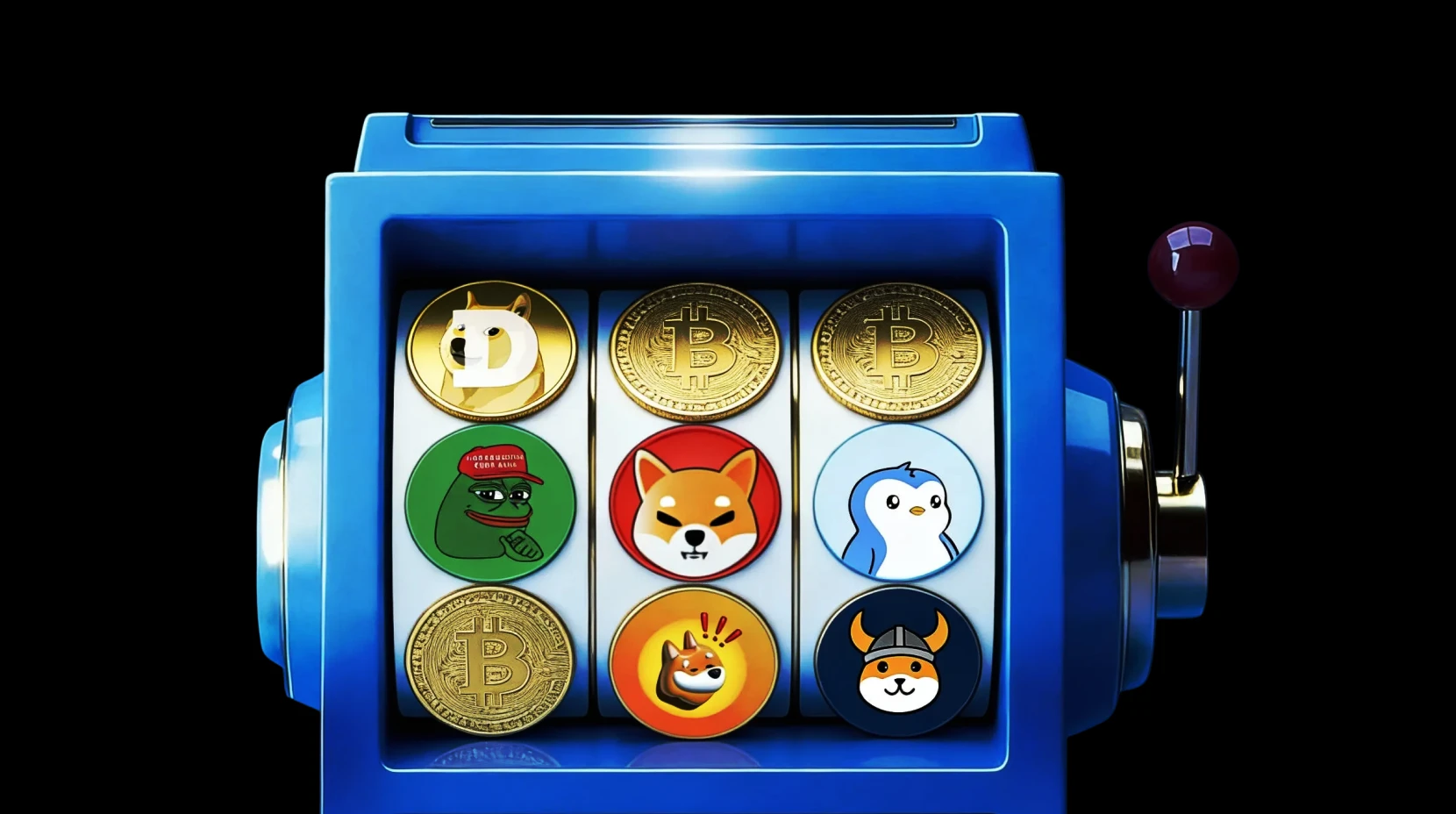
Understanding Meme Coins: Emotional Finance and Market Behavior
Meme coins have long been regarded as a market phenomenon characterized by high volatility and low barriers to entry. However, the dynamics behind them are not entirely random. This course systematically analyzes the operational mechanisms and risk boundaries of the meme coin market from three perspectives: emotional finance, on-chain behavior, and capital structure. The goal is to help learners develop a clearer framework for participating in the meme coin market.

Intermediate
Gate TradFi: From Cryptocurrency to Global Multi-Asset Trading
As crypto and traditional finance increasingly converge, more users are turning their attention to traditional markets such as gold, forex, crude oil, and global indices. The goal of Gate TradFi is to enable users to conveniently access global multi-asset markets within a familiar crypto platform, while improving trading efficiency through a unified account and fund management system.
This course will start with the positioning of Gate TradFi, introducing its product structure, CFD mechanisms, multi-asset market logic, and real-world trading scenarios. It aims to help users build a foundational understanding of TradFi and grasp the future direction of multi-asset trading.
Latest Articles
More
Beginner
What Are the Differences Between Synapse and LayerZero? A Full Comparison of the Two Cross-Chain Communication Protocols.
Both Synapse and LayerZero enable blockchain interoperability, but they take fundamentally different technical approaches. LayerZero focuses on cross-chain message-passing infrastructure, using lightweight verification to facilitate communication between chains. Synapse, meanwhile, provides a broader suite — cross-chain bridges, liquidity networks, and message passing — covering asset transfers and cross-chain application coordination across multiple use cases. Architecturally, LayerZero is more of a cross-chain communication layer, whereas Synapse functions as a comprehensive cross-chain protocol that spans both the liquidity and communication layers.
2026-06-19 12:11:44
Beginner
What is Synapse Protocol? A Comprehensive Overview of the Architecture, Mechanisms, and Ecosystem of Cross-Chain Interoperability Protocols.
Synapse Protocol is a cross-chain infrastructure protocol that enables blockchain interoperability, facilitating the transfer and interaction of assets, data, and smart contract messages across different blockchains. Through cross-chain bridges, liquidity networks, and a universal messaging system, Synapse Protocol addresses the challenges of liquidity fragmentation and inter-chain collaboration within the multi-chain ecosystem.
2026-06-19 11:54:57
Intermediate
How Are Synapse's Cross-Chain Messages Executed? A Deep Dive into the Cross-Chain Smart Contract Call Flow.
Synapse Cross-Chain Messaging enables smart contracts to send messages, execute logic, and synchronize state across different blockchains. When a user initiates an operation on the source chain, Synapse packages, verifies, and forwards the message to the target chain, where the target chain's smart contract executes the corresponding instructions. This process encompasses multiple stages—message generation, cross-chain verification, message relay, and target chain execution—allowing developers to build unified application logic that operates across multiple blockchains.
2026-06-19 12:07:39
Latest Research
More
Advanced
Gate Research: Macro Calendar Holds the Key to the Rebound’s Staying Power, Circle CPN Pushes Stablecoin Banking Further
Gate Research Daily Report: On April 10, Bitcoin remained in a wide trading range amid headline- and sentiment-driven noise, with price briefly returning toward the upper edge of its recent balance area; clearing higher resistance still likely requires a volume-backed breakout. Ethereum mostly tracked BTC, with a narrower range and uneven catch-up performance. Sentiment gauges still pointed to extreme fear, with only a partial recovery in risk appetite. Altcoins were dominated by structural rotation and thematic trading, so caution is warranted on leveraged products and thinly traded names that can see outsized swings. Among actively traded names, TNSR, CHILLGUY, and BLUR stood out on the day, mapping respectively to NFT infrastructure and the meme-sentiment complex. On the narrative side, stablecoins are moving faster into scalable institutional payment and clearing collaboration frameworks, while the traditional financial system shows expanding aggregate stablecoin and on-chain settlement activity alongside
2026-04-10 06:31:44
Advanced
Gate Research: BTC Pullback Drives Liquidations Higher, Wall Street ETFs and Treasury Buying Back in Focus
Gate Research Weekly Report: BTC and ETH pulled back after a spike, shifting into a short-term bearish consolidation; ~$274M in liquidations over 24h with shorts dominant, while the Fear & Greed Index sits around 17, reflecting a defensive stance in capital flows. Amid broad altcoin weakness, privacy and DeFi outperformed, with RSC, STIK, and ARIA emerging as structural leaders. Total stablecoin market cap edged up to ~$315.4B, while Ethereum-based stablecoins hit a record ~$180B; gas fees remain low. MSBT saw ~$34M in inflows on day one, Strategy raised enough to buy over 2,500 BTC, and Canary filed for a PEPE ETF. Focus on U.S.–Iran developments, shifts in risk appetite, upcoming stablecoin regulation, as well as Pharos and GoSats funding and token unlocks including APT.
2026-04-09 08:08:30
Advanced
Gate Research: Bitcoin Options Indicators Show No Sustained Bullish Outlook; DeFi Lending Protocol Seamless Announces Shutdown
Gate Research Daily Report: Over the past 24 hours, the crypto market has broadly strengthened. BTC broke above and held firm above $70,000 on increased volume, while ETH outperformed, with high-beta capital clearly rotating back in, though it is approaching overbought territory. SWARMS, JOE, and UNITAS all posted significant gains, driven respectively by the rising AI agent narrative, a rebound in the Avalanche ecosystem, and growing demand for stable payment solutions. Bitcoin’s rebound above $70,000 has boosted market sentiment, but options indicators do not yet signal sustained bullish expectations. Meanwhile, DeFi lending protocol Seamless has announced it will cease operations, with its official interface set to shut down on June 30. The U.S. FDIC has also proposed a new regulatory framework stating that stablecoins will not be eligible for deposit insurance.
2026-04-08 06:28:19